It Ain’t What you Do (It’s The Way That You Do it)
I fully appreciate that quoting songs and lyrics from the 1980s bands Fun Boy Three and Bananarama do somewhat date me… but I frequently do so when delivering EDI training because the sentiment is so true. To effectively embed belonging and bring inclusion to life, it’s not just about what you do – your organisation’s processes, policies, strategies and Equality Impact Assessment frameworks etc. It’s about how you do it – the behaviours and mindset that everyone in an organisation adopts.
Those behaviours are what truly get results. That’s why I like to call this the Bananarama Principle: when it comes to embedding belonging, it ain’t just what you do, it’s the way that you do it – that’s what gets results!
Everyone in an organisation has a responsibility for inclusion. It cannot sit solely with the senior leadership team or the HR department. The real “nirvana” is when everyone understands that they have an active role to play, every day, in every interaction.
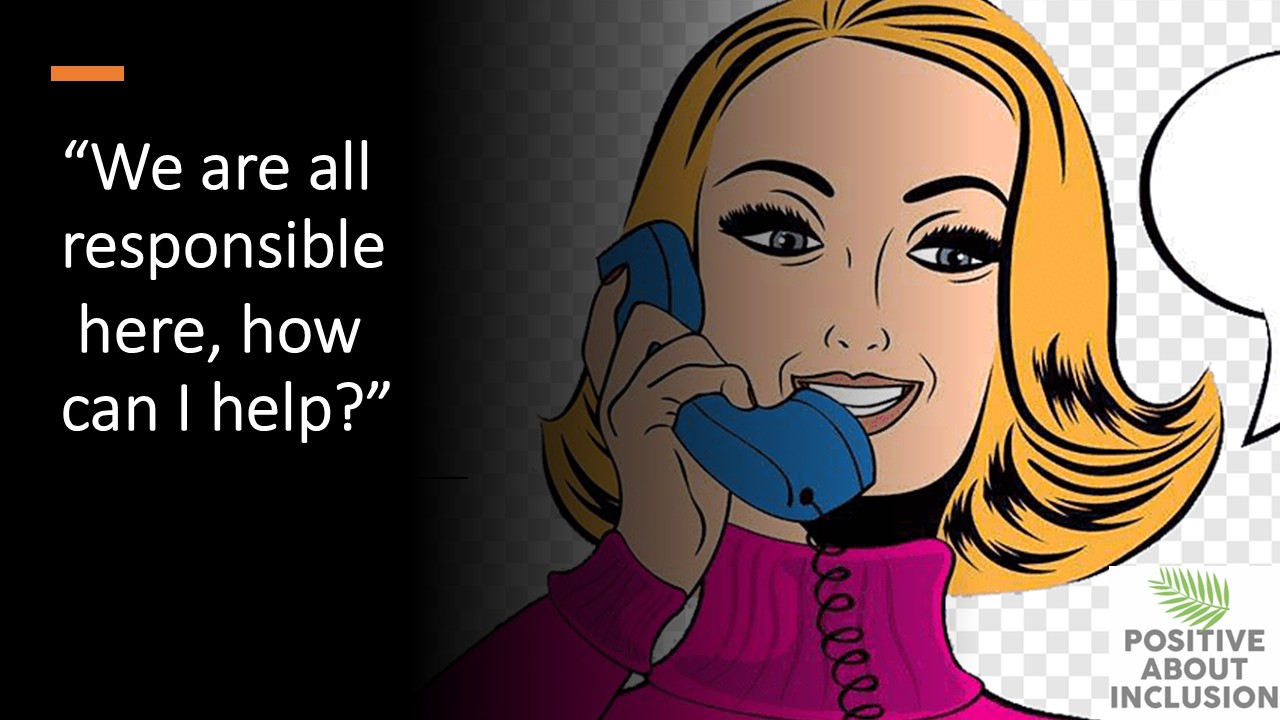
I often share this (true) story, because it beautifully demonstrates the power of everyone understanding their role. A friend once rang a large public sector organisation and asked the contact centre to speak to the person responsible for diversity and inclusion. Without missing a beat, the person on the other end of the line replied:
“We are all responsible here. How can I help you?”
How brilliant is that? The Bananarama Principle in action.
So, what can each of us do to embed inclusion and bring belonging to life? There are three things we can all take responsibility for in our teams and roles. These three behaviours help create a workplace culture where everyone feels they belong:
Learn – Be open to learning about difference. Knowledge deepens understanding, increases empathy and breaks down stereotypes. Learning is about being curious, talking more, listening more and being comfortable with the fact that you will never know everything. The world evolves, and so must we. Keep the subject on the agenda. Keep the conversation going.
Challenge – Be comfortable with constructive challenge. That means challenging behaviours that aren’t inclusive and holding yourself – and each other – to account. A lack of action sends a strong signal. Your culture is only as good as the worst behaviour you tolerate, and what you permit, you promote. Challenge does not need to be confrontational, but it does need to happen.
Support – Practise empathy and active listening. Support others, demonstrate allyship and contribute to a psychologically safe space where people feel able to be themselves. Inclusion becomes real when people feel supported to do the right thing , and to be who they are.
Inclusion is not a project. It’s not a policy on a page. It’s a mindset, a daily practice, and a collective effort. And when everyone plays their part, the results speak for themselves.
The Bananarama Principle may have started life as a pop lyric, but in the world of inclusion, it’s a powerful reminder:
It ain’t what you do, it’s the way that you do it – that’s what gets results.
To learn more about the work of Positive About Inclusion contact us.